
- Home /
- Knowledge
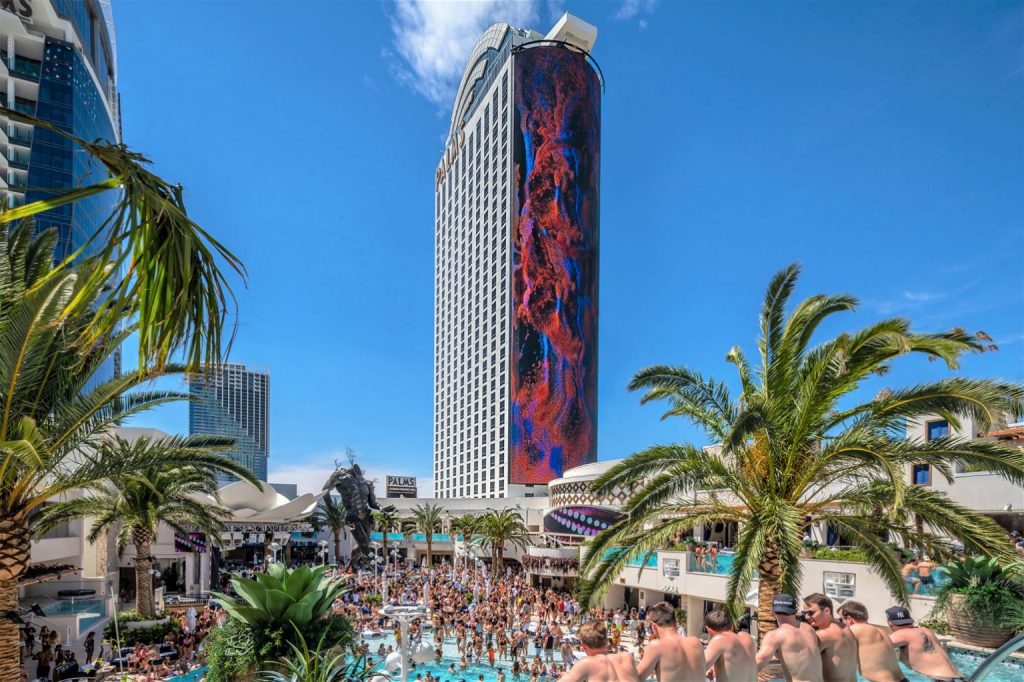
The quality of an LED display can be judged based on several key factors:
- Pixel pitch: The pixel pitch refers to the distance between each pixel in the LED display. A higher pixel density provides better image quality and clarity.
- Brightness: Brightness is measured in nits and is a measure of the light output of the LED display. A high brightness rating is important for outdoor displays to ensure visibility in different lighting conditions.
- Color reproduction: LED displays should have accurate color reproduction and consistent color temperature across the display.
- Viewing angle: The viewing angle of an LED display is the angle from which the image can be viewed without distortion. A high-quality display should have a wide viewing angle to ensure clear visibility from different angles.
- Refresh rate: The refresh rate refers to the number of times per second the image on the display is refreshed. A high refresh rate reduces flicker and ensures smooth video playback.
- Contrast ratio: Contrast ratio is the difference between the darkest and brightest parts of the image. A high contrast ratio produces a clearer and more vivid image.
- Uniformity: The LED display should have uniform brightness and color across the entire screen. Variations in brightness or color can result in an uneven display.
- Serviceability: The LED display should be easy to maintain and repair, with access to critical components and user-friendly interfaces.
- Certification: Look for LED displays that have been certified by reputable organizations such as CE, UL, and RoHS.
Overall, the quality of an LED display depends on a combination of these factors. Look for displays that meet your specific requirements, and compare different brands and models to make an informed decision. A high-quality LED display will provide clear, vivid images with accurate color reproduction and a wide viewing angle, and will be easy to maintain and repair.
The quality of an LED display can be judged based on several key factors:
- Pixel pitch: The pixel pitch refers to the distance between each pixel in the LED display. A higher pixel density provides better image quality and clarity.
- Brightness: Brightness is measured in nits and is a measure of the light output of the LED display. A high brightness rating is important for outdoor displays to ensure visibility in different lighting conditions.
- Color reproduction: LED displays should have accurate color reproduction and consistent color temperature across the display.
- Viewing angle: The viewing angle of an LED display is the angle from which the image can be viewed without distortion. A high-quality display should have a wide viewing angle to ensure clear visibility from different angles.
- Refresh rate: The refresh rate refers to the number of times per second the image on the display is refreshed. A high refresh rate reduces flicker and ensures smooth video playback.
- Contrast ratio: Contrast ratio is the difference between the darkest and brightest parts of the image. A high contrast ratio produces a clearer and more vivid image.
- Uniformity: The LED display should have uniform brightness and color across the entire screen. Variations in brightness or color can result in an uneven display.
- Serviceability: The LED display should be easy to maintain and repair, with access to critical components and user-friendly interfaces.
- Certification: Look for LED displays that have been certified by reputable organizations such as CE, UL, and RoHS.
Overall, the quality of an LED display depends on a combination of these factors. Look for displays that meet your specific requirements, and compare different brands and models to make an informed decision. A high-quality LED display will provide clear, vivid images with accurate color reproduction and a wide viewing angle, and will be easy to maintain and repair.
The quality of an LED display can be judged based on several key factors:
- Pixel pitch: The pixel pitch refers to the distance between each pixel in the LED display. A higher pixel density provides better image quality and clarity.
- Brightness: Brightness is measured in nits and is a measure of the light output of the LED display. A high brightness rating is important for outdoor displays to ensure visibility in different lighting conditions.
- Color reproduction: LED displays should have accurate color reproduction and consistent color temperature across the display.
- Viewing angle: The viewing angle of an LED display is the angle from which the image can be viewed without distortion. A high-quality display should have a wide viewing angle to ensure clear visibility from different angles.
- Refresh rate: The refresh rate refers to the number of times per second the image on the display is refreshed. A high refresh rate reduces flicker and ensures smooth video playback.
- Contrast ratio: Contrast ratio is the difference between the darkest and brightest parts of the image. A high contrast ratio produces a clearer and more vivid image.
- Uniformity: The LED display should have uniform brightness and color across the entire screen. Variations in brightness or color can result in an uneven display.
- Serviceability: The LED display should be easy to maintain and repair, with access to critical components and user-friendly interfaces.
- Certification: Look for LED displays that have been certified by reputable organizations such as CE, UL, and RoHS.
Overall, the quality of an LED display depends on a combination of these factors. Look for displays that meet your specific requirements, and compare different brands and models to make an informed decision. A high-quality LED display will provide clear, vivid images with accurate color reproduction and a wide viewing angle, and will be easy to maintain and repair.
The quality of an LED display can be judged based on several key factors:
- Pixel pitch: The pixel pitch refers to the distance between each pixel in the LED display. A higher pixel density provides better image quality and clarity.
- Brightness: Brightness is measured in nits and is a measure of the light output of the LED display. A high brightness rating is important for outdoor displays to ensure visibility in different lighting conditions.
- Color reproduction: LED displays should have accurate color reproduction and consistent color temperature across the display.
- Viewing angle: The viewing angle of an LED display is the angle from which the image can be viewed without distortion. A high-quality display should have a wide viewing angle to ensure clear visibility from different angles.
- Refresh rate: The refresh rate refers to the number of times per second the image on the display is refreshed. A high refresh rate reduces flicker and ensures smooth video playback.
- Contrast ratio: Contrast ratio is the difference between the darkest and brightest parts of the image. A high contrast ratio produces a clearer and more vivid image.
- Uniformity: The LED display should have uniform brightness and color across the entire screen. Variations in brightness or color can result in an uneven display.
- Serviceability: The LED display should be easy to maintain and repair, with access to critical components and user-friendly interfaces.
- Certification: Look for LED displays that have been certified by reputable organizations such as CE, UL, and RoHS.
Overall, the quality of an LED display depends on a combination of these factors. Look for displays that meet your specific requirements, and compare different brands and models to make an informed decision. A high-quality LED display will provide clear, vivid images with accurate color reproduction and a wide viewing angle, and will be easy to maintain and repair.
The quality of an LED display can be judged based on several key factors:
- Pixel pitch: The pixel pitch refers to the distance between each pixel in the LED display. A higher pixel density provides better image quality and clarity.
- Brightness: Brightness is measured in nits and is a measure of the light output of the LED display. A high brightness rating is important for outdoor displays to ensure visibility in different lighting conditions.
- Color reproduction: LED displays should have accurate color reproduction and consistent color temperature across the display.
- Viewing angle: The viewing angle of an LED display is the angle from which the image can be viewed without distortion. A high-quality display should have a wide viewing angle to ensure clear visibility from different angles.
- Refresh rate: The refresh rate refers to the number of times per second the image on the display is refreshed. A high refresh rate reduces flicker and ensures smooth video playback.
- Contrast ratio: Contrast ratio is the difference between the darkest and brightest parts of the image. A high contrast ratio produces a clearer and more vivid image.
- Uniformity: The LED display should have uniform brightness and color across the entire screen. Variations in brightness or color can result in an uneven display.
- Serviceability: The LED display should be easy to maintain and repair, with access to critical components and user-friendly interfaces.
- Certification: Look for LED displays that have been certified by reputable organizations such as CE, UL, and RoHS.
Overall, the quality of an LED display depends on a combination of these factors. Look for displays that meet your specific requirements, and compare different brands and models to make an informed decision. A high-quality LED display will provide clear, vivid images with accurate color reproduction and a wide viewing angle, and will be easy to maintain and repair.
The quality of an LED display can be judged based on several key factors:
- Pixel pitch: The pixel pitch refers to the distance between each pixel in the LED display. A higher pixel density provides better image quality and clarity.
- Brightness: Brightness is measured in nits and is a measure of the light output of the LED display. A high brightness rating is important for outdoor displays to ensure visibility in different lighting conditions.
- Color reproduction: LED displays should have accurate color reproduction and consistent color temperature across the display.
- Viewing angle: The viewing angle of an LED display is the angle from which the image can be viewed without distortion. A high-quality display should have a wide viewing angle to ensure clear visibility from different angles.
- Refresh rate: The refresh rate refers to the number of times per second the image on the display is refreshed. A high refresh rate reduces flicker and ensures smooth video playback.
- Contrast ratio: Contrast ratio is the difference between the darkest and brightest parts of the image. A high contrast ratio produces a clearer and more vivid image.
- Uniformity: The LED display should have uniform brightness and color across the entire screen. Variations in brightness or color can result in an uneven display.
- Serviceability: The LED display should be easy to maintain and repair, with access to critical components and user-friendly interfaces.
- Certification: Look for LED displays that have been certified by reputable organizations such as CE, UL, and RoHS.
Overall, the quality of an LED display depends on a combination of these factors. Look for displays that meet your specific requirements, and compare different brands and models to make an informed decision. A high-quality LED display will provide clear, vivid images with accurate color reproduction and a wide viewing angle, and will be easy to maintain and repair.